The primary difference between custodial care and skilled nursing is the level of medical expertise required to safely manage a resident’s health. Skilled nursing involves “medically necessary” care provided by licensed nurses for complex treatments, while custodial care focuses on non-medical assistance with “Activities of Daily Living” (ADLs) like dressing, bathing, and eating.
Defining the Care Spectrum: Medical Necessity vs. Daily Support
Understanding the distinction between custodial and skilled care dictates the type of facility you choose, the staff who interact with your loved one, and how services are financed. In a high-quality nursing home in Vineland, NJ, these two types of care often coexist, yet they serve very different clinical purposes.
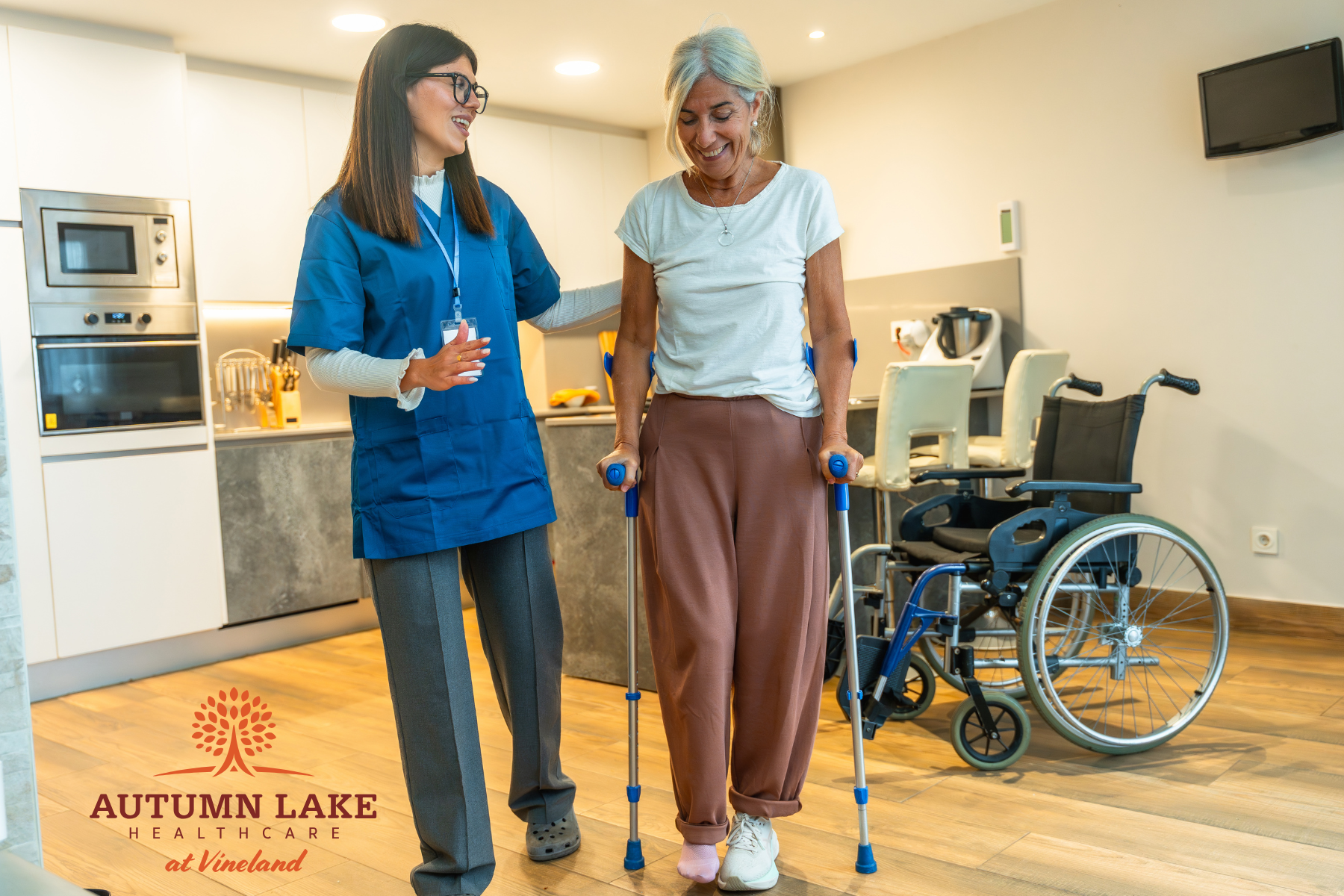
Skilled nursing is high-level medical care that must be performed by licensed health professionals, such as Registered Nurses (RNs) or Licensed Practical Nurses (LPNs). This care is typically transitional, aimed at rehabilitation after a hospital stay, or required for those with chronic conditions that require 24/7 monitoring.
Conversely, custodial care is non-medical support that can be safely provided by non-licensed caregivers or Certified Nursing Assistants. This level of service is designed for senior living in Vineland, NJ, focusing on individuals who are physically or cognitively unable to manage their daily routines independently but do not require constant medical intervention.
Skilled Nursing vs. Custodial Care: A Direct Comparison
| Service Category | Skilled Nursing (Medical) | Custodial Care (Non-Medical) |
| Staffing | RNs, LPNs, Physical/Occupational Therapists | Certified Nursing Assistants (CNAs), Care Aides |
| Primary Goal | Recovery, stabilization, or disease management | Safety, dignity, and daily maintenance |
| Insurance | Often covered by Medicare (short-term) | Primarily Private Pay, Medicaid, or LTC Insurance |
| Examples | IV therapy, Stage III/IV wound care, post-stroke PT | Help with mobility, toileting, and meal preparation |
During a recent clinical audit for a firm in the Chestnut Avenue neighborhood, we found that many families were paying for skilled nursing out-of-pocket because they hadn’t realized their loved one only required custodial support. Identifying the correct level of care at a nursing home and rehabilitation center is essential for financial and clinical health.
4 Indicators Your Loved One Needs a Higher Level of Care
Determining when to transition to a higher clinical tier is a significant decision. Watch for these four clinical markers:
- Clinical Instability: Unpredictable changes in vital signs that require professional medication adjustments.
- Complex Wound Management: Surgical sites or pressure sores requiring sterile dressing changes by a licensed nurse at a rehabilitation center in Vineland, NJ.
- Intensive Rehabilitative Goals: A requirement for a minimum of three hours of therapy per day to regain independence after an injury.
- Cognitive Decline with Physical Complications: When memory loss is coupled with physical frailty, such as an inability to swallow safely.
Applying our Continuum of Care Precision (CCP) Protocol
At our facility, we utilize our proprietary Continuum of Care Precision (CCP) Protocol to ensure every resident is placed in the exact environment their health dictates. Our program offers advanced care programs for complex medical conditions, including behavioral and mental health patients, overseen by a team of in-house, board-certified specialists.
The CCP Protocol is a data-driven assessment that identifies the “Functional Gap” between what a senior can do and what they must do to remain safe. We provide exceptional support for assisted living in Vineland, NJ, by using this protocol to ensure that a minor health dip is identified before it becomes a major crisis.
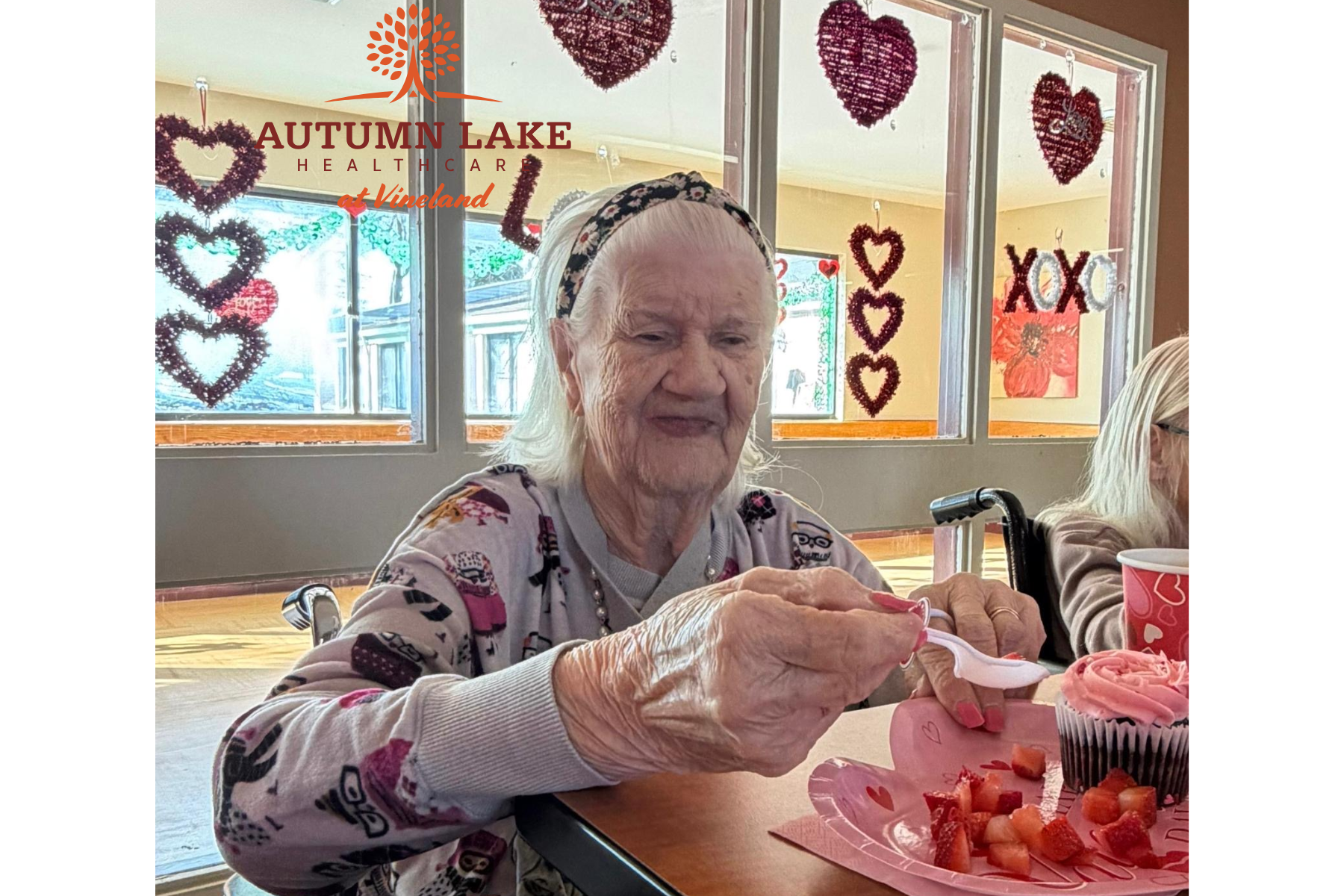
A Community Built for Comfort and Recovery
Vineland’s mild climate and peaceful neighborhoods make it an ideal setting for seniors to thrive in safety and dignity. We provide 24/7 Skilled Nursing Care alongside a gourmet dining experience prepared by our culinary chef under the direction of a registered dietician. Our facility for nursing home & elder care in Vineland, NJ includes:
- Spacious private & semi-private rooms
- Complimentary cable & WiFi
- Private courtyard and garden
- On-site beauty salon and gift shop
- Spacious Lounges and Riverside Park access
- Daily Housekeeping & Laundry Service
Debunking the “Nursing Home Means Skilled Care” Myth
The Misconception: Every resident in a nursing home is receiving “skilled” medical treatment around the clock.
The Reality: This is a persistent myth. Many residents live in a skilled nursing facility because it offers a higher safety net, but their daily care plan is focused on hygiene and social engagement. We accept Medicare, Medicaid, most insurances, and private pay to facilitate these diverse care needs.
Frequently Asked Questions
Is custodial care covered by Medicare?
No, Medicare specifically excludes custodial care if that is the only care you need. Medicare only pays for skilled care in a certified facility following a qualifying hospital stay.
How do I know if my loved one needs a nursing home or assisted living?
The deciding factor is medical frequency. If your loved one is medically stable but needs help with bathing, assisted living is likely appropriate. If they require daily injections or 24/7 monitoring, a nursing home is necessary.
Can a person move from skilled nursing back to custodial care?
Yes. This is a common goal for those recovering from surgery. Many residents enter on a skilled basis and transition back to a custodial level of care once they are stable and mobile.
To Sum Up
Navigating the clinical differences between care levels shouldn’t be a burden you carry alone. At Autumn Lake Healthcare at Memorial Bridge, we provide the expert guidance needed to choose the right path for your family. For more information about our services, contact us today or schedule a tour!