What Are the Rights of a Resident in an Assisted Living Facility Regarding Choosing Their Own Medical Providers?

Assisted living residents have the legal and fundamental right to choose their own medical providers, including primary care physicians, specialists, and therapists. Federal and state regulations protect a resident’s autonomy, ensuring that facilities cannot mandate the use of “house doctors” or preferred provider networks as a condition of residency.

Maintaining a relationship with a trusted physician is a vital aspect of senior independence. Whether it is a specialist who has managed a chronic condition for years or a family doctor who knows your history by heart, these connections are protected by law. When transitioning to a new community, you do not forfeit your right to personal healthcare advocacy.

In this guide, we explore how medical autonomy works, how facilities must integrate external care, and what to look for when selecting assisted living in Vineland to ensure your voice remains the priority.

The Legal Foundation of Resident Autonomy

The “Resident Bill of Rights” serves as the gold standard for care across the country. The core principle is clear: residents do not lose their civil or constitutional rights upon entering a long-term care community. This includes the right to manage one’s own healthcare and select providers who align with personal preferences.

When researching senior living in Vineland, NJ, always request the facility’s resident handbook. This document must explicitly state your freedom to choose a physician. While a facility may offer a “Contracted Medical Director” for convenience, this is an option, never an obligation.

Comparison of Medical Care Models

Deciding between an in-house provider and a private physician involves weighing convenience against clinical continuity.

Feature Facility-Contracted Provider Private/External Medical Provider
Availability Usually on-site on set days Requires scheduled office visits or telehealth
Coordination Internal integration with nursing staff Requires active communication between the office and facility
Familiarity Specializes in geriatric facility care Has long-term knowledge of the patient’s history
Emergency Care Handled by the on-call facility team Usually deferred to the ER or primary specialist

Logistics of External Provider Integration

While you have the right to choose, specific logistical requirements ensure this partnership works safely within a managed care environment. During a recent care-planning session for a family in one of our service areas, we identified three critical areas for successful integration:

  • Credentialing: The facility must ensure that any provider practicing on their premises is licensed and insured.
  • The Paper Trail: In a professional nursing home and rehabilitation center in Vineland, NJ, medication safety is paramount. All external orders must be sent directly to the nursing staff to be entered into the Medication Administration Record (MAR).
  • Transportation: If a specialist does not perform home visits, the resident or their family is responsible for arranging transport to the clinic.
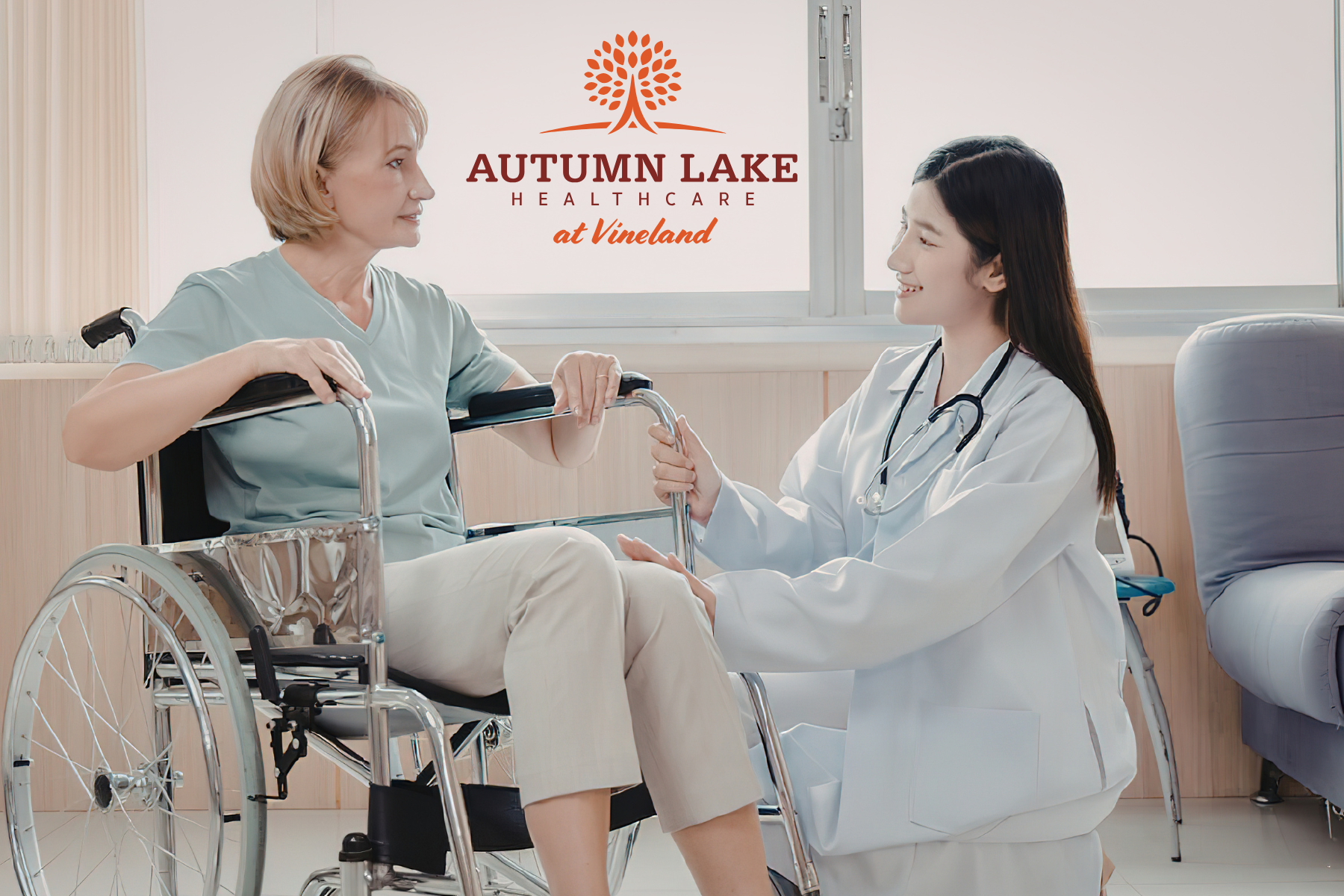
 

A young doctor in a lab coat is caring for an elderly woman in a wheelchair, with the Autumn Lake Healthcare at Vineland logo visible above them.


Applying the Autumn Lake Harmony Model

At our nursing home in Vineland, NJ, we believe medical rights are only effective when backed by a supportive environment. We navigate the friction of healthcare coordination by applying our proprietary care philosophy:

Our facility combines expert medical attention with the warmth of a close-knit community. Vineland’s mild climate and peaceful neighborhoods make it an ideal setting for seniors to thrive in safety, comfort, and dignity.

We solve the “uncoordinated care” trap by integrating your chosen specialists into our hospitality ecosystem. This ensures that your private doctor’s orders are executed within a luxury framework that includes:

  • Gourmet Dining: Meals prepared by our culinary chef under the direction of a registered dietician to meet your doctor’s specific dietary orders.
  • Premier Accommodations: Spacious private and semi-private rooms featuring complimentary cable, WiFi, and daily housekeeping.
  • Therapeutic Grounds: Access to a private courtyard, garden, and outdoor patios for mental well-being.
  • On-Site Conveniences: A variety of menu selections, spacious lounges, and an on-site beauty salon.

We strive to be the leading rehabilitation center in Vineland by offering this seamless blend of clinical excellence and hospitality. To ensure this care is accessible, we accept Medicare, Medicaid, most insurances, and private pay.

Common Misconception: “The Facility Controls My Pharmacy”

A prevalent industry myth suggests residents are forced to use a facility’s contracted pharmacy.
The Truth: You generally have the right to choose your pharmacist. However, the pharmacy must provide medications in a format (such as blister packs) that the facility can safely administer. Choosing an outside pharmacy may involve a small administrative fee for manual processing, but the choice remains yours.

Frequently Asked Questions

Can an assisted living facility discharge me for refusing their doctor?

No. Federal and state laws protect you from being discharged simply because you prefer an outside medical provider.

What happens in an emergency if I don’t use the house doctor?

In an emergency, the facility calls 911. Once stabilized at the hospital, your preferred primary physician will be notified of the event by the facility staff.

Are there extra costs for seeing my own doctor?

The facility cannot charge a “penalty” for using an outside doctor. You remain responsible for the doctor’s standard billing and any transportation costs for off-site visits.

To Sum Up

Navigating healthcare rights should not be a solo journey. At Autumn Lake Healthcare at Vineland, we honor your choices while providing the high-touch clinical support you need. Your health, your doctor, and your choice are the pillars of our community. For more information about our service, contact us to schedule a tour today!
How Do You Transition a Parent With Mid-Stage Dementia From Home Care to a Secure Memory Care Unit?

Transitioning a parent from home care to a secure memory care unit is best achieved through a structured three-phase process involving clinical environmental preparation, a “low-stress” moving day protocol, and a strictly enforced adjustment period. By prioritizing a purpose-built secure environment over the familiar but often hazardous home setting, families can significantly reduce the risks of wandering and “sundowning” common in mid-stage dementia.

The Critical Shift: Home Care vs. Secure Memory Care

Deciding to move a parent is a profound emotional crossroads. For many families managing senior living in Vineland, the realization often comes when the “familiarity” of home becomes a source of confusion rather than comfort. In the mid-stage of dementia, the brain begins to lose the ability to navigate spatial layouts, making a standard residential home a maze of potential falls and exit-seeking risks.

Feature Home Care (Mid-Stage) Secure Memory Care Unit
Safety High risk of wandering/exit-seeking Delayed-exit doors & perimeter alarms
Socialization Limited to caregivers/family Daily structured group activities
Staffing Often 1:1 family or hourly aid 24/7 specialized nursing & support
Nutrition Variable; difficult to monitor Dietician-led gourmet dining

While many attempt to keep their loved ones at home as long as possible, the specialized environment of a rehabilitation center in Vineland, NJ, offers a level of constant vigilance that is nearly impossible to replicate in a private residence.

The Step-by-Step Transition Protocol

1. The Pre-Move “Anchor” Strategy

Before the move occurs, visit the facility to map out the room. In the mid-stage, visual cues are everything. We recommend moving familiar furniture, a favorite armchair, or a specific nightstand into the unit 48 hours before the parent arrives. This ensures that when they walk through the door, their eyes land on “anchors” that signal safety and ownership.

2. The “Therapeutic” Narrative

In our experience working with families at various nursing homes in Vineland, NJ, we have found that long, logical explanations about “memory loss” often backfire. Instead, use a brief, positive narrative. Tell your parent they are going to a “well-deserved retreat” or that their home is “undergoing essential maintenance.” This reduces the immediate fight-or-flight response.

3. The 14-Day Adjustment Rule

The most difficult part for families is the “settling-in” period. Clinical experts suggest a 7-to-14-day window where family visits are kept to a minimum. This isn’t out of coldness; it allows the resident to form new bonds with the staff and residents, viewing them as their primary social circle rather than waiting by the door for a ride home.


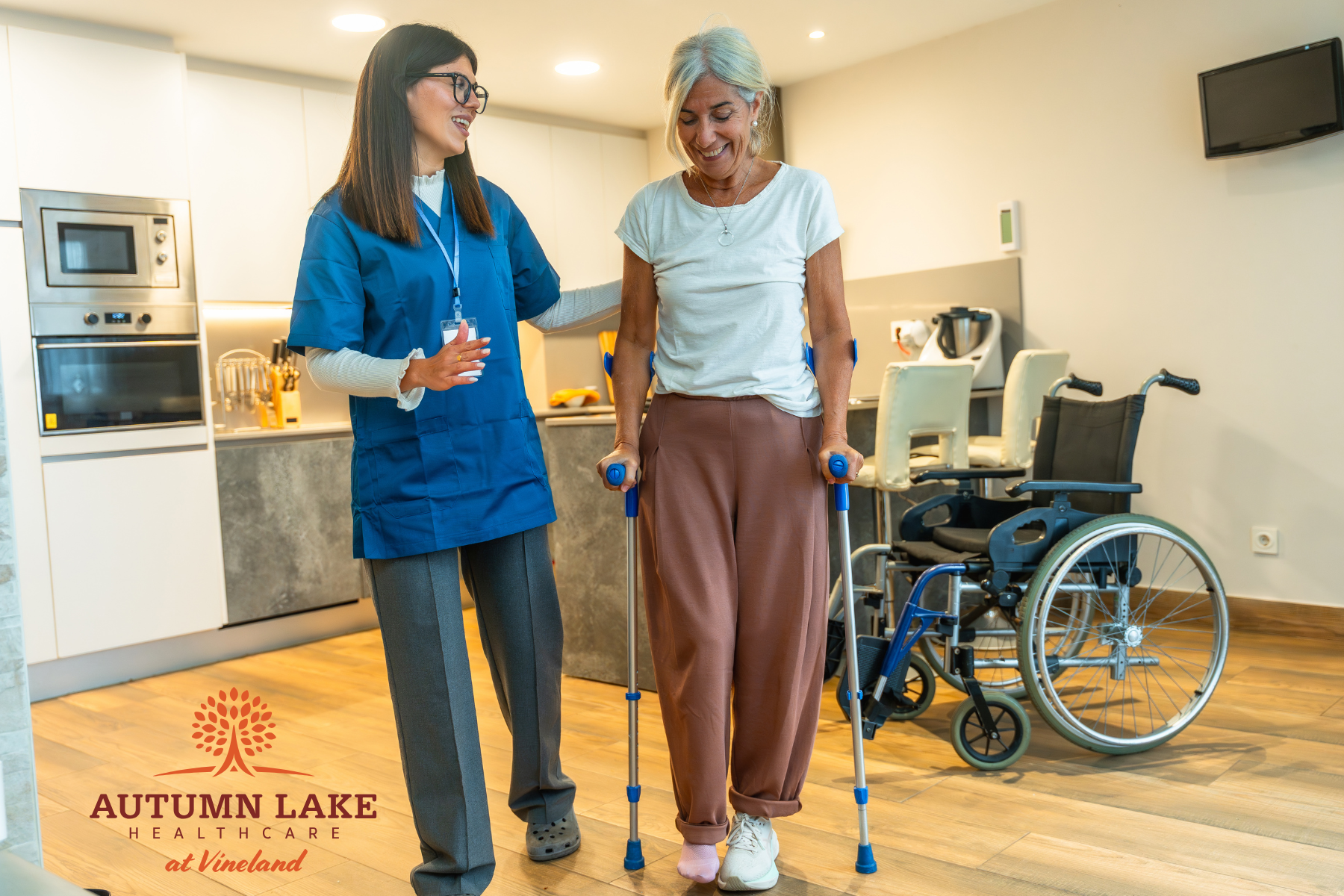
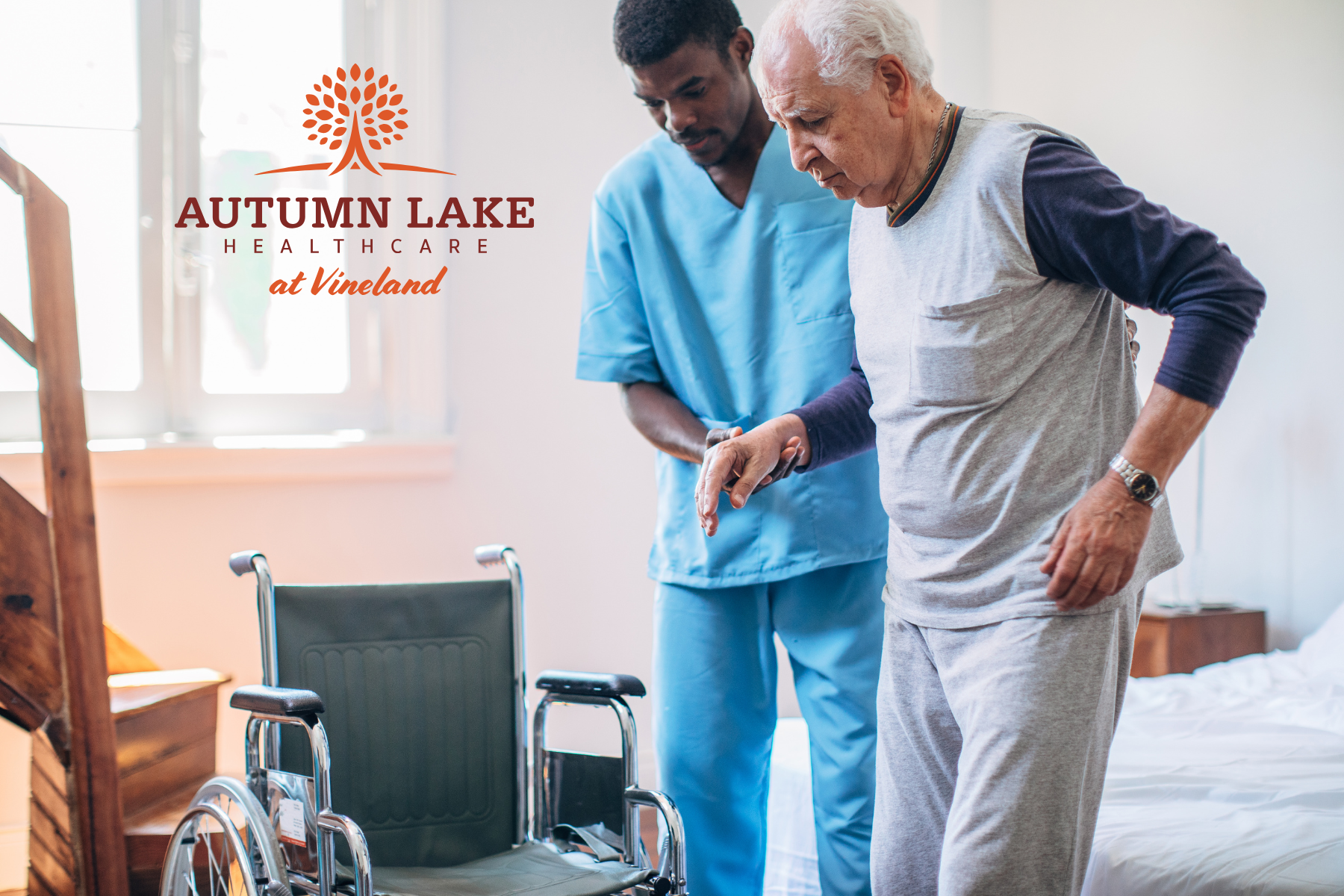
A male nurse in scrubs assists an elderly man with mobility near a wheelchair


Applying our Heritage of Care to solve this

Our facility combines expert medical attention with the warmth of a close-knit community. Vineland’s mild climate and peaceful neighborhoods make it an ideal setting for seniors to thrive in safety, comfort, and dignity. This approach is built upon high-end amenities designed to soothe the mid-stage transition:

  • A Gourmet Dining Experience: Meals are prepared by our very own culinary chef under the direction of a registered dietician, ensuring a variety of menu selections that cater to both health and palate.
  • The Comfort Suite: We provide spacious private and semi-private rooms equipped with complimentary cable and WiFi, ensuring the environment feels like premier assisted living in Vineland, NJ.
  • Sensory Connection: Our private courtyard, garden, and outdoor patios allow residents to engage with nature safely, which is vital for reducing “sundowning” through natural light exposure.
  • Total Life Management: From daily housekeeping and laundry service to an on-site beauty salon and spacious lounges, we handle the minutiae of daily life so residents can focus on their cognitive well-being.

We strive to make this transition financially accessible by accepting Medicare, Medicaid, most insurances, and private pay.

Debunking the “Wait Until the End” Myth

One of the most dangerous industry myths is that memory care is only for the “final stages” of dementia. Many families believe they should wait until their parent no longer recognizes them before seeking nursing home & elder care in Vineland, NJ.

The Truth: Moving a parent during the mid-stage is actually the kindest choice. In the mid-stage, individuals still have the “cognitive reserve” to learn a new environment. They can learn where the dining hall is, recognize their favorite nurse, and make friends. If you wait until the late stages, the shock of a new environment can cause “Transfer Trauma,” a rapid decline in physical and mental health caused by the stress of relocation. Moving early preserves quality of life.

Frequently Asked Questions

How do I know it’s “time” for memory care?

If your parent is wandering, forgetting to eat, neglecting personal hygiene, or if the primary caregiver is experiencing burnout, it is time to transition to a secure unit.

Will my parent be “locked up”?

No. Secure memory care units use “passive security.” Exits are alarmed to prevent unsupervised departures, but residents have full freedom to move throughout the gardens, lounges, and dining areas within the secure perimeter.

Does insurance cover the move?

Many facilities accept Medicare, Medicaid, and most private insurances. It is important to have a financial consultation early in the process to understand your specific coverage.

How do I handle the “I want to go home” phone calls?

The best approach is validation and redirection. Acknowledge the feeling (“I know you miss your porch”) and then immediately redirect to a tangible positive (“The chef just put out fresh cookies in the lounge, let’s go see”).

To Sum Up

Choosing the right path for a parent with dementia is a journey you shouldn’t walk alone. At Autumn Lake Healthcare at Vineland, we provide the specialized medical care your parent needs with the compassionate, community-focused warmth they deserve.

Take the first step toward a safer, more vibrant future for your loved one. Visit us to schedule a tour or contact our admissions team today to discuss how we can support your family during this transition.

Clinical Differences Between Custodial Care and Skilled Nursing in Senior Living

The primary difference between custodial care and skilled nursing is the level of medical expertise required to safely manage a resident’s health. Skilled nursing involves “medically necessary” care provided by licensed nurses for complex treatments, while custodial care focuses on non-medical assistance with “Activities of Daily Living” (ADLs) like dressing, bathing, and eating.

Defining the Care Spectrum: Medical Necessity vs. Daily Support

Understanding the distinction between custodial and skilled care dictates the type of facility you choose, the staff who interact with your loved one, and how services are financed. In a high-quality nursing home in Vineland, NJ, these two types of care often coexist, yet they serve very different clinical purposes.

Skilled nursing is high-level medical care that must be performed by licensed health professionals, such as Registered Nurses (RNs) or Licensed Practical Nurses (LPNs). This care is typically transitional, aimed at rehabilitation after a hospital stay, or required for those with chronic conditions that require 24/7 monitoring.

Conversely, custodial care is non-medical support that can be safely provided by non-licensed caregivers or Certified Nursing Assistants. This level of service is designed for senior living in Vineland, NJ, focusing on individuals who are physically or cognitively unable to manage their daily routines independently but do not require constant medical intervention.

Skilled Nursing vs. Custodial Care: A Direct Comparison

Service Category Skilled Nursing (Medical) Custodial Care (Non-Medical)
Staffing RNs, LPNs, Physical/Occupational Therapists Certified Nursing Assistants (CNAs), Care Aides
Primary Goal Recovery, stabilization, or disease management Safety, dignity, and daily maintenance
Insurance Often covered by Medicare (short-term) Primarily Private Pay, Medicaid, or LTC Insurance
Examples IV therapy, Stage III/IV wound care, post-stroke PT Help with mobility, toileting, and meal preparation

During a recent clinical audit for a firm in the Chestnut Avenue neighborhood, we found that many families were paying for skilled nursing out-of-pocket because they hadn’t realized their loved one only required custodial support. Identifying the correct level of care at a nursing home and rehabilitation center is essential for financial and clinical health.

4 Indicators Your Loved One Needs a Higher Level of Care

Determining when to transition to a higher clinical tier is a significant decision. Watch for these four clinical markers:

  1. Clinical Instability: Unpredictable changes in vital signs that require professional medication adjustments.
  2. Complex Wound Management: Surgical sites or pressure sores requiring sterile dressing changes by a licensed nurse at a rehabilitation center in Vineland, NJ.
  3. Intensive Rehabilitative Goals: A requirement for a minimum of three hours of therapy per day to regain independence after an injury.
  4. Cognitive Decline with Physical Complications: When memory loss is coupled with physical frailty, such as an inability to swallow safely.

Applying our Continuum of Care Precision (CCP) Protocol

At our facility, we utilize our proprietary Continuum of Care Precision (CCP) Protocol to ensure every resident is placed in the exact environment their health dictates. Our program offers advanced care programs for complex medical conditions, including behavioral and mental health patients, overseen by a team of in-house, board-certified specialists.

The CCP Protocol is a data-driven assessment that identifies the “Functional Gap” between what a senior can do and what they must do to remain safe. We provide exceptional support for assisted living in Vineland, NJ, by using this protocol to ensure that a minor health dip is identified before it becomes a major crisis.


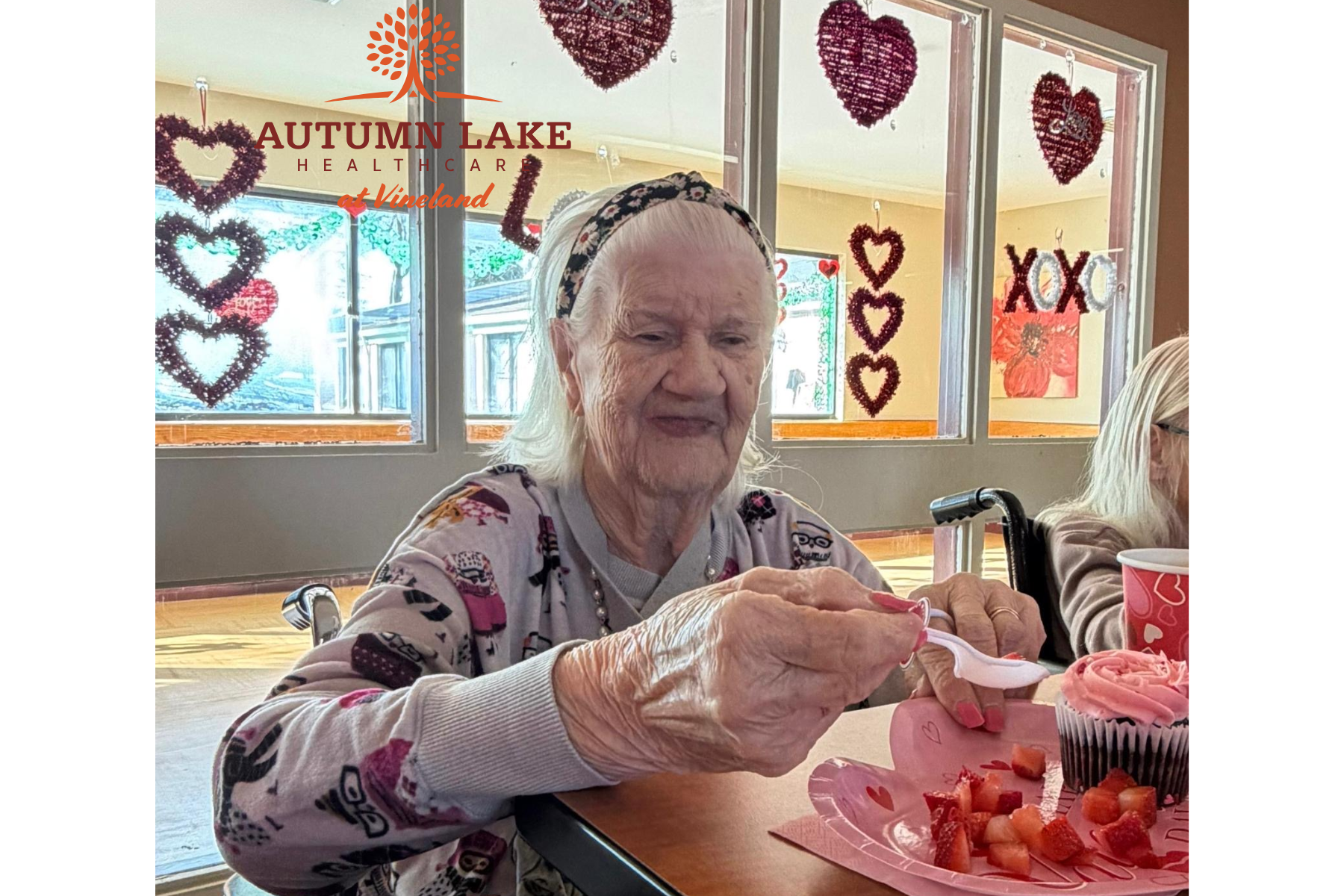
An elderly resident in a senior living community enjoys a Valentine's Day treat


A Community Built for Comfort and Recovery

Vineland’s mild climate and peaceful neighborhoods make it an ideal setting for seniors to thrive in safety and dignity. We provide 24/7 Skilled Nursing Care alongside a gourmet dining experience prepared by our culinary chef under the direction of a registered dietician. Our facility for nursing home & elder care in Vineland, NJ includes:

  • Spacious private & semi-private rooms
  • Complimentary cable & WiFi
  • Private courtyard and garden
  • On-site beauty salon and gift shop
  • Spacious Lounges and Riverside Park access
  • Daily Housekeeping & Laundry Service

Debunking the “Nursing Home Means Skilled Care” Myth

The Misconception: Every resident in a nursing home is receiving “skilled” medical treatment around the clock.

The Reality: This is a persistent myth. Many residents live in a skilled nursing facility because it offers a higher safety net, but their daily care plan is focused on hygiene and social engagement. We accept Medicare, Medicaid, most insurances, and private pay to facilitate these diverse care needs.

Frequently Asked Questions

Is custodial care covered by Medicare?

No, Medicare specifically excludes custodial care if that is the only care you need. Medicare only pays for skilled care in a certified facility following a qualifying hospital stay.

How do I know if my loved one needs a nursing home or assisted living?

The deciding factor is medical frequency. If your loved one is medically stable but needs help with bathing, assisted living is likely appropriate. If they require daily injections or 24/7 monitoring, a nursing home is necessary.

Can a person move from skilled nursing back to custodial care?

Yes. This is a common goal for those recovering from surgery. Many residents enter on a skilled basis and transition back to a custodial level of care once they are stable and mobile.

To Sum Up

Navigating the clinical differences between care levels shouldn’t be a burden you carry alone. At Autumn Lake Healthcare at Memorial Bridge, we provide the expert guidance needed to choose the right path for your family. For more information about our services, contact us today or schedule a tour!

How to Evaluate Nursing Home Staffing Ratios and Turnover for Long-Term Care

To evaluate nursing home staffing, compare the “Hours Per Resident Day” (HPRD) against federal benchmarks, focusing on Registered Nurse (RN) ratios and annual staff turnover percentages. High turnover signals poor care consistency, while higher RN HPRD correlates directly with better clinical outcomes, fewer medication errors, and reduced emergency room readmissions.

The Critical Connection Between Staffing and Quality of Care

When researching a nursing home and rehabilitation center in Vineland, NJ, the aesthetics of a lobby often overshadow the clinical data. However, the “engine” of any high-quality facility is its human capital. The relationship between a resident and their caregiver is the foundation of senior living. When staffing levels are low, even dedicated nurses become stretched thin, leading to “care left undone”, tasks like timely repositioning or meticulous skin checks. During a recent audit for a firm in the Brotmanville area, we noted that facilities with stable leadership saw significantly higher family satisfaction rates.

5 Critical Staffing Metrics to Review Before Admission

To get an objective view of a facility, you must dive into the specific data points that impact daily life.

  1. RN Hours Per Resident Day (HPRD): Registered Nurses handle assessments and complex treatments. A high RN HPRD means an expert eye is on your loved one for a greater portion of the day.
  2. CNA Support Levels: Certified Nursing Assistants provide hands-on care, such as bathing and feeding. If this ratio is too thin, call-bell wait times increase.
  3. Staff Turnover Rate: This is the most telling metric. If a facility loses 50% of its staff annually, it indicates a cultural problem that disrupts care continuity.
  4. Weekend vs. Weekday Staffing: Many facilities look optimal on a Tuesday but are understaffed on a Sunday. Always ask for the “weekend staffing variance.”
  5. Agency Staff Usage: High reliance on temporary “traveling” nurses often leads to fragmented care, as these contractors don’t know a resident’s personal history.

Comparison: Average Staffing Ratios by Care Level

Metric Skilled Nursing (Long-Term) Sub-Acute Rehabilitation
Direct Care Hours 3.5 – 4.0 Hours/Day 4.5 – 5.5 Hours/Day
RN Involvement High (Assessment focused) Very High (Clinical recovery)
Primary Staff Goal Quality of Life & Safety Functional Independence

Applying our Retention-First Audit to Solve This

We don’t just fill shifts; we curate a culture of longevity. We implement a proprietary Retention-First Audit to ensure our senior living in Vineland, NJ, remains a top-tier choice for families. This process moves beyond the basic “Five-Star” rating to examine the actual tenure of our clinical leaders.

Our Retention-First Audit ensures we provide exceptional support and rehabilitation services at our nursing home in Vineland, NJ. By analyzing the average employment length of our CNAs and LPNs, we create pathways for education and growth that lower turnover. This audit identifies potential burnout early, allowing us to adjust workloads so our team remains focused on the warmth of a close-knit community.

Luxury Amenities Meet Clinical Excellence

Choosing a rehabilitation center in Vineland shouldn’t feel like a compromise between medical necessity and personal comfort. We have integrated hospitality-grade amenities into our clinical model to reduce the stress of recovery. Residents enjoy a gourmet dining experience, prepared by our very own culinary chef under the direction of a registered dietician.

We offer spacious private and semi-private rooms, equipped with complimentary cable and WiFi to keep residents connected. Our facility leverages the fact that Vineland’s mild climate and peaceful neighborhoods make it an ideal setting for seniors to thrive in safety, comfort, and dignity. From an on-site beauty salon to daily housekeeping and laundry service, we manage the logistics so residents can focus on their health in our spacious lounges and outdoor patios.


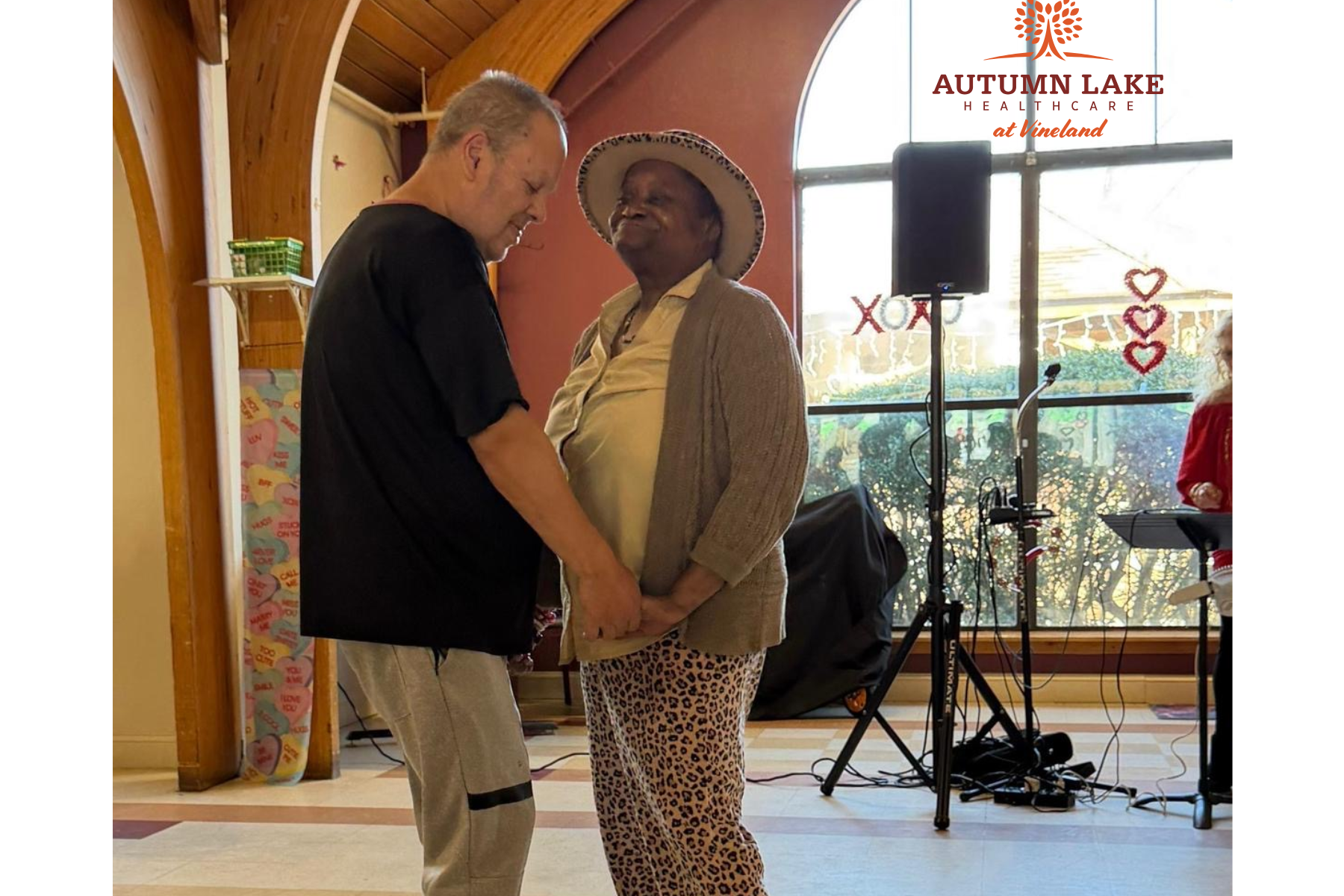
Two residents hold hands and dance together in a brightly lit common room during a social event at an assisted living facility.


Debunking the Myth: “A Five-Star Rating means the facility is fully staffed.”

A common industry misconception is that a “Five-Star” rating from CMS is a guarantee of ample staffing. In reality, the rating is an aggregate of inspections, quality measures, and staffing levels. A facility can earn five stars overall while only maintaining “three stars” for staffing. When researching assisted living in Vineland, always ask for the CMS “672” or “802” forms during your tour; these provide a real-time snapshot of the residents’ needs and the staff actually available to meet them.

Frequently Asked Questions

What is the average staff-to-patient ratio in an NJ nursing home?

While New Jersey has mandated minimum staffing requirements, the ideal ratio for a rehabilitation setting is typically 1 CNA to every 7–9 residents during the day shift.

Does Medicare pay for long-term care?

Medicare typically covers “short-term” rehabilitative stays (up to 100 days). For permanent long-term care, we accept Medicaid, most insurances, and private pay.

How can I check a facility’s turnover rate publicly?

You can visit the Medicare “Care Compare” website, which lists the annual staff turnover percentage for every Medicare-certified facility.

To Sum Up

Navigating the complexities of senior care requires transparency and clinical excellence. At Autumn Lake Healthcare at Vineland, we provide the data, the care, and the comfort your family deserves. For more information about our services, contact us today or schedule a tour!

What Kinds of Short-Term Rehab and Long-Term Care Services Does Autumn Lake Healthcare at Vineland Offer, and How Do They Customize Those Programs for Each Resident’s Recovery Goals?

What Kinds of Short-Term Rehab and Long-Term Care Services Does Autumn Lake Healthcare at Vineland Offer, and How Do They Customize Those Programs for Each Resident’s Recovery Goals?

Short-term rehabilitation focuses on rapid functional recovery through intensive physical, occupational, and speech therapies designed to return patients to their independent lifestyles. Long-term care provides continuous, 24/7 skilled nursing and personal support for individuals with chronic conditions or cognitive impairments. Both programs are customized through interdisciplinary clinical assessments and goal-oriented care plans that adapt to each resident’s unique medical needs and recovery milestones.

Core Services: Short-Term Rehab vs. Long-Term Care

Choosing the right level of care is a pivotal decision for families navigating post-hospital recovery. While both service lines operate under the umbrella of skilled nursing, their objectives and daily rhythms differ. Whether a loved one is recovering from a sudden cardiac event or requires ongoing support for a progressive condition, understanding these distinctions is the first step toward a successful outcome.

Feature Short-Term Rehabilitation Long-Term Care
Primary Goal Functional restoration and discharge Maintaining stability and quality of life
Duration Typically 20 to 90 days Ongoing/Permanent residency
Therapy Frequency High intensity (5–7 days per week) Restorative nursing or maintenance
Medical Oversight Acute post-surgical monitoring Continuous 24/7 skilled nursing care
Common Needs Hip replacements or stroke recovery Advanced Parkinson’s or dementia

For those researching nursing homes in Vineland, NJ, it is vital to find a facility that masters the transition between these levels. Residents often begin in short-term rehab and, if their needs evolve, transition into a long-term support structure without the trauma of moving to an unfamiliar environment.

How Recovery Programs are Customized for Every Resident

The hallmark of a premier nursing home and rehabilitation center in Vineland, NJ, is the rejection of standardized, one-size-fits-all medicine. Recovery is influenced by a resident’s prior activity level, their specific home layout, and their emotional resilience.


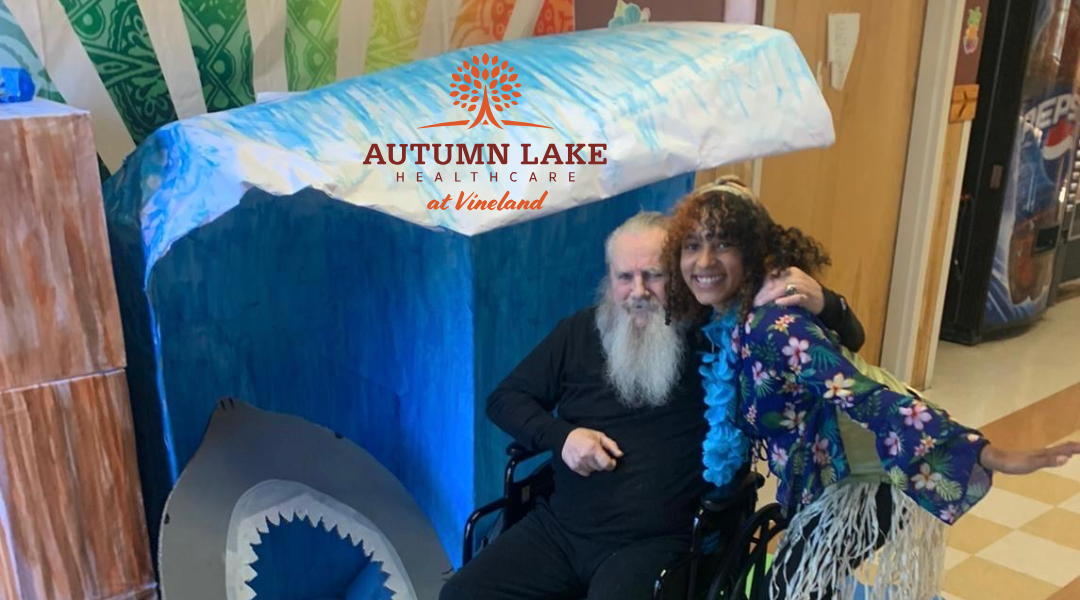
A nursing home staff member posing with a smiling resident in a wheelchair next to a wave-themed backdrop at a facility event.


1. The Multi-Point Clinical Assessment

Within the first 48 hours of arrival at Autumn Lake Vineland, a multidisciplinary team, including a physiatrist, a registered nurse, and a physical therapist, conducts a baseline evaluation. We look beyond the primary diagnosis to identify secondary factors, like nutritional deficiencies or balance issues, that might hinder long-term progress.

2. SMART Goal Setting

We empower residents by making them the architects of their own recovery. Instead of vague milestones, we set “SMART” goals: Specific, Measurable, Achievable, Relevant, and Time-bound. For instance, a resident might aim to walk 50 feet unassisted within 14 days to ensure they can navigate their own hallway at home.

3. The Interdisciplinary Team (IDT) Approach

True customization happens when the medical team collaborates daily. Our IDT meets weekly to discuss every resident; if a patient in Vineland’s peaceful neighborhoods is struggling with morning exercises, the dietitian may adjust their caloric intake while the social worker addresses any underlying anxiety regarding the transition home.

Debunking the “Hospital Extension” Myth

A common industry misconception is that a skilled nursing facility is simply a sterile extension of a hospital stay. Many families fear that rehab means a loss of identity, where patients spend their days in gowns, confined to a bed in a fluorescent-lit hallway.

The Reality: Modern Vineland treatment services are designed to be the antithesis of a hospital stay. While hospitals focus on the “crisis”, stabilizing a heart rate or finishing a surgery, rehabilitative care focuses on the “person.” In a high-quality center, residents wear their own clothes, choose their own meal times, and engage in social programming. This environment mimics “real-world” stressors and successes to ensure the body is truly prepared for independent living.

Our Secret Language: The Community-First Care Model

We provide exceptional support and rehabilitation services at our nursing home. Our facility combines expert medical attention with the warmth of a close-knit community. Vineland’s mild climate and peaceful neighborhoods make it an ideal setting for seniors to thrive in safety, comfort, and dignity. This philosophy is executed through several specific tangible benefits:

  • The Culinary Experience: Under the direction of a registered dietitian, our culinary chef prepares a gourmet dining experience. We offer a variety of menu selections tailored to therapeutic diets, ensuring meals are both medically sound and enjoyable.
  • Residential Amenities: We offer spacious private and semi-private rooms, complimentary cable and WiFi, and an on-site beauty salon.
  • Outdoor Integration: Our private courtyard, garden, and outdoor patios allow residents to heal in a natural, open setting.
  • Full-Service Support: We provide daily housekeeping and laundry service to allow residents to focus entirely on their physical therapy.
  • Financial Flexibility: We accept Medicare, Medicaid, most insurances, and private pay, removing the administrative stress from the family.

Specialized Clinical Capabilities

For residents with needs that go beyond standard physical therapy, specialized programs ensure complex cases receive expert care. While some might look for a Vineland veterans home for specific benefits, our facility provides a broad range of clinical specialties that cater to all who have served and worked in our community. These include cardio-pulmonary care for respiratory weaning and advanced wound management for post-surgical incisions.

Frequently Asked Questions

What is the difference between skilled nursing and assisted living?

Skilled nursing provides 24/7 medical care and therapy provided by licensed professionals, whereas assisted living is for individuals who need help with daily tasks but do not require intensive clinical monitoring.

How long does a typical short-term rehab stay last?

The duration is dependent on individual progress and insurance, but most residents stay between two and six weeks.

Can I tour the facility before admitting a family member?

Yes. We encourage families to visit and see our private courtyards and lounges firsthand to ensure the environment aligns with their expectations.

To Sum Up

At Autumn Lake Vineland, we believe that every resident deserves a recovery plan as unique as their own life story. Whether you are seeking intensive therapy to get back on your feet or a compassionate, long-term community for a loved one, our team is here to guide you. We combine clinical excellence with a warm, neighborhood feel to ensure that your time with us is productive, comfortable, and dignified.

Would you like to see our facility for yourself? Schedule a tour today or call us to speak with an admissions specialist about how we can customize a recovery goal for your family.

What Specific Therapies Are Offered at Autumn Lake Healthcare at Vineland?

Skilled nursing facilities provide a targeted suite of rehabilitative therapies designed to restore physical independence. The specific therapies offered include Physical Therapy (PT) for gait and balance, Occupational Therapy (OT) for activities of daily living, and Speech Therapy (SLP) for cognitive communication and swallowing safety. Specialized clinical tracks also address cardiac, pulmonary, and advanced wound management.

The Core Disciplines of Post-Acute Rehabilitation

When transitioning from a hospital to a specialized care setting, the focus shifts from medical stabilization to functional restoration. High-quality nursing homes in Vineland provide the structured environment necessary for patients to regain their strength through daily, one-on-one clinical sessions.

Comparison of Primary Therapy Objectives

Understanding the distinction between therapy types helps families set realistic recovery milestones. This multidisciplinary approach is a hallmark of complete care in Vineland, NJ, ensuring that every physiological hurdle is addressed by a specialist.

Therapy Type Primary Clinical Focus Key Recovery Milestone
Physical Therapy Gross motor skills and gait Walking independently or using a walker safely.
Occupational Therapy Fine motor skills and ADLs Dressing, grooming, and preparing meals.
Speech Therapy Cognitive communication Speaking clearly and swallowing safely.

Specialized Clinical Programs for Complex Recovery

Standard therapy is often supplemented by high-acuity programs for patients with specific diagnoses. Whether a senior is transitioning from assisted living in Vineland, NJ, or arriving directly from a surgical ward, these specialized tracks prevent re-hospitalization.

1. Orthopedic and Neuro-Rehabilitation

This track supports patients following joint replacements or neurological events like a stroke. Therapists utilize specialized equipment to “re-train” the body’s motor patterns and improve limb coordination.

2. Cardio-Pulmonary and Wound Care

For those with COPD or recovering from cardiac surgery, therapy focuses on increasing aerobic stamina. Simultaneously, wound care specialists manage surgical sites or chronic ulcers using advanced dressing techniques to ensure the body has the biological resources to heal.


A smiling elderly resident in a wheelchair waving next to a shark-themed tent at a nursing home event.


Our Proprietary Approach: The Harmony & Healing Method

We provide exceptional support and rehabilitation services at our nursing home. Our facility combines expert medical attention with the warmth of a close-knit community. Vineland’s mild climate and peaceful neighborhoods, like those near the serene Chestnut Avenue or the Landis Avenue corridor, make it an ideal setting for seniors to thrive in safety, comfort, and dignity.

Our “Harmony & Healing” method integrates clinical rigor with residential hospitality:

  • The Culinary Wellness Pillar: We provide a gourmet dining experience, prepared by our very own culinary chef under the direction of a registered dietician. Nutrition is the foundation of physical repair, fueled by a variety of menu selections.
  • The Restorative Environment: Recovery requires a stress-free atmosphere. We offer spacious private and semi-private rooms, complimentary cable and WiFi, an on-site beauty salon, and daily housekeeping and laundry service.
  • Outdoor Connectivity: To promote mental well-being, patients have access to our private courtyard, garden, and outdoor patios.

Debunking the “Hospital Extension” Myth

A common industry misconception is that skilled nursing is simply an extension of a hospital stay. This myth often causes unnecessary stress for those exploring senior living in Vineland, NJ.

In reality, hospitals are designed for acute crisis management, while a rehabilitation center is built for active recovery. During a recent site visit for a family in the North Vineland neighborhood, we demonstrated how our spacious lounges and therapy gyms encourage movement, social interaction, and “personhood” rather than the bed-bound isolation typical of a hospital setting.

Financial Accessibility

High-quality rehabilitation should be accessible to everyone in the community. Autumn Lake Healthcare at Vineland accepts Medicare, Medicaid, most private insurances, and private pay options to ensure your focus remains on healing rather than paperwork.

Frequently Asked Questions

How often will I receive therapy?

Most short-term rehabilitation plans include therapy sessions 5 to 7 days a week, depending on the physician’s orders and the patient’s tolerance.

Can my family visit during my stay?

Yes, we encourage family involvement as social support is a critical component of the “Harmony & Healing” philosophy.

Is there a difference between a nursing home and a rehab center?

Many facilities, like ours, provide both. One wing may focus on short-term “rehab-to-home” services, while another provides long-term skilled nursing care.

To Sum Up

At Autumn Lake Healthcare at Vineland, we believe that every resident deserves a recovery journey defined by dignity and clinical excellence. Our team is ready to help you navigate the transition from hospital to home with the best professional support in the region. Would you like to schedule a tour of our therapy gym and private courtyard? Visit us today for more information.

How to Choose the Right Nursing Home in Vineland: Key Factors to Consider for Your Family Member’s Needs

To choose the right nursing home, prioritize quality of care (staff-to-resident ratios), facility safety, and specialized medical services. Evaluate the home’s licensing, cleanliness, and social engagement programs. Comparing costs and reading recent inspection reports ensures your family member receives professional care in a safe, supportive, and dignity-focused environment.

Selecting a long-term care facility is a pivotal decision for any family. It requires a deep dive into medical logistics and financial planning. When searching for senior living in Vineland, NJ, families often feel overwhelmed, but focusing on structured evaluation criteria ensures your loved one finds a place to truly thrive.

1. Core Evaluation: Quality Indicators During a Visit

A high-quality care center in Vineland, NJ, functions as a community rather than an institution. During your tour, look past the lobby aesthetics and observe the direct interactions between nursing staff and residents.

Use this comparison table to track the most critical “living” factors during your walkthrough:

Factor High-Quality Indicator Red Flag Warning
Staff Engagement Staff interact warmly and know residents by name. Residents are left in hallways; staff seem rushed.
Cleanliness The facility smells neutral; floors are clear and dry. Strong odors of urine or heavy floral “cover-up” scents.
Food Quality Nutritious, appealing meals with diet options. Bland food; no menu variety or choice.
Safety Features Functional handrails and emergency call buttons. Dim lighting; cluttered paths; blocked exits.

2. The Nursing Home Selection Checklist

Data-driven results are essential for recovery. If you are researching rehab homes in Vineland, ensure the facility balances clinical excellence with a high quality of life by verifying these five criteria:

  1. Staff-to-Patient Ratios: Ask for specific RN and CNA numbers for the night shift and weekends.
  2. Federal Certification: Confirm the home is Medicare/Medicaid certified to ensure regular, rigorous inspections.
  3. Clinical Specialization: Verify they offer specific rehab tailored to your loved one’s physical or cognitive needs.
  4. Communication Policies: Look for homes that maintain proactive family councils and transparent care plan updates.
  5. Activity Programming: Search for calendars featuring cognitive exercises and social outings rather than just passive television.


An elderly woman in a pink dress and glasses sitting in a wheelchair in a nursing home hallway.


3. Applying Our Care Excellence Protocol

We differentiate our services through a proprietary approach to resident wellness. We provide exceptional support and rehabilitation services at our rehab in Vineland, NJ. Our facility combines expert medical attention with the warmth of a close-knit community. Vineland’s mild climate and peaceful neighborhoods make it an ideal setting for seniors to thrive in safety, comfort, and dignity.

Our protocol integrates these specific amenities to solve the common “institutional” feel of traditional care:

  • Gourmet Dining Experience: Meals are prepared by our very own culinary chef under the direction of a registered dietician.
  • Accommodations: Spacious private & semi-private rooms featuring complimentary cable & WiFi.
  • Outdoor Access: A private courtyard, garden, and outdoor patios for fresh air and reflection.
  • On-Site Convenience: An on-site beauty salon, spacious lounges, and daily housekeeping & laundry service.

4. Debunking the “Luxury Equals Quality” Myth

A common industry misconception is that the most expensive facility provides the best medical care. In reality, “hotel-style” amenities like grand foyers do not correlate with better nursing outcomes. When comparing Vineland nursing homes & elder care, prioritize the CMS (Centers for Medicare & Medicaid Services) Star Rating. Clinical quality is driven by nursing hours and staff retention, not the thickness of the lobby carpet.

5. Financial Transparency and Planning

Understanding the financial landscape is often the most stressful part of the transition. Whether a resident is coming from the East Vineland area or a nearby hospital, we aim to eliminate the guesswork. We accept Medicare, Medicaid, most insurances, and private pay. This inclusive approach ensures that professional care remains accessible to the entire community without hidden fees for basic services like laundry or internet.

Frequently Asked Questions

What is the difference between assisted living and a nursing home? Assisted living helps with daily tasks like dressing; nursing homes provide 24/7 skilled medical monitoring.

How do I check a facility’s inspection record? Use the Medicare “Care Compare” website to view specific health inspection reports and star ratings.

Does Medicare pay for long-term stays? Medicare typically covers up to 100 days of rehabilitative care following a hospital stay. Long-term care is usually covered by Medicaid or private pay.

To Sum Up

Choosing a home means finding a partner in your loved one’s health. At Autumn Lake Healthcare at Vineland, we provide the expert clinical care your family member needs with the dignity they deserve. Ready to see the difference for yourself? Schedule a tour today!

What to Look for During Your Visit to Autumn Lake Vineland: A Tour Checklist for Families Considering Senior Care

When touring a senior living community, families should prioritize observing staff-to-resident interactions, facility cleanliness, safety features like call buttons, and the quality of the dining program. A successful visit focuses on evaluating both the clinical capabilities of the nursing staff and the social atmosphere to ensure the environment promotes dignity, safety, and long-term comfort.

Preparing for Your Visit: Beyond the First Impression

Walking into a senior care facility is often an emotional experience, making it easy to be swayed by a decorated lobby or a friendly receptionist. However, the true quality of care happens in the residential wings. To find the best nursing homes in Vineland, NJ, you must look past the aesthetic “veneer” and focus on the daily lived experience. This means arriving with a specific list of questions and a keen eye for the subtle details that indicate clinical excellence and consistent maintenance.

Before you step through the doors, consider the specific medical trajectory of your loved one. Are they transitioning from a hospital stay and in need of high-intensity recovery, or are they looking for a long-term home with 24/7 supervision? Having a clear goal helps you filter marketing information and stay focused on what matters most: the health and happiness of your family member in a rehabilitation center in Vineland, NJ.

5 Critical Areas to Evaluate During Your Tour

To ensure a comprehensive evaluation, use this numbered checklist during your walkthrough:

  1. Staff Engagement and Longevity: Observe how staff members interact with residents. Do they use names? Is the tone respectful or hurried? Ask how long the department heads and frontline caregivers have been with the facility, as high turnover can disrupt care.
  2. Physical Safety and Accessibility: Check for well-lit hallways, non-slip flooring, and accessible bathrooms with sturdy grab bars. During a recent audit for a family exploring options in the Cumberland County area, we noted that the presence of modern emergency call systems in both bedrooms and bathrooms is a non-negotiable safety feature.
  3. Odors and Environmental Cleanliness: While no facility is perfect 100% of the time, persistent unpleasant odors are a red flag regarding housekeeping or incontinence care protocols. Look into “hidden” corners and shared restrooms to gauge the true level of daily upkeep at a nursing home and rehabilitation center in Vineland, NJ.
  4. Resident Dignity and Appearance: Note if residents appear well-groomed and dressed appropriately. Are they engaged in activities, or sitting for long periods in hallways without interaction? A thriving community is one where residents maintain their personal identity.
  5. Administrative Transparency: A reputable facility should be open about its performance. Ask to see the most recent state survey results and inquire about specific staffing ratios for both day and night shifts.

Comparing Care Levels: What Fits Your Needs?

Understanding the distinctions between care models is vital to making an informed choice. Use the table below to compare the primary focuses:

Feature Assisted Living Focus Skilled Nursing Focus Memory Care Focus
Primary Goal Independence & Socialization Medical Oversight Safety & Routine
Staffing Care Assistants Registered Nurses (RNs) Specialized Dementia Training
Activity Type Outings & Hobby Clubs Physical Therapy Sensory & Cognitive Tasks
Environment Apartment-style Clinical/Hospital-style Secured/Enclosed Layout

Choosing the right path depends on the level of clinical support required. Families exploring assisted living in Vineland, NJ, often find that if medical needs are complex or likely to progress, a skilled nursing environment offers a more secure long-term safety net.


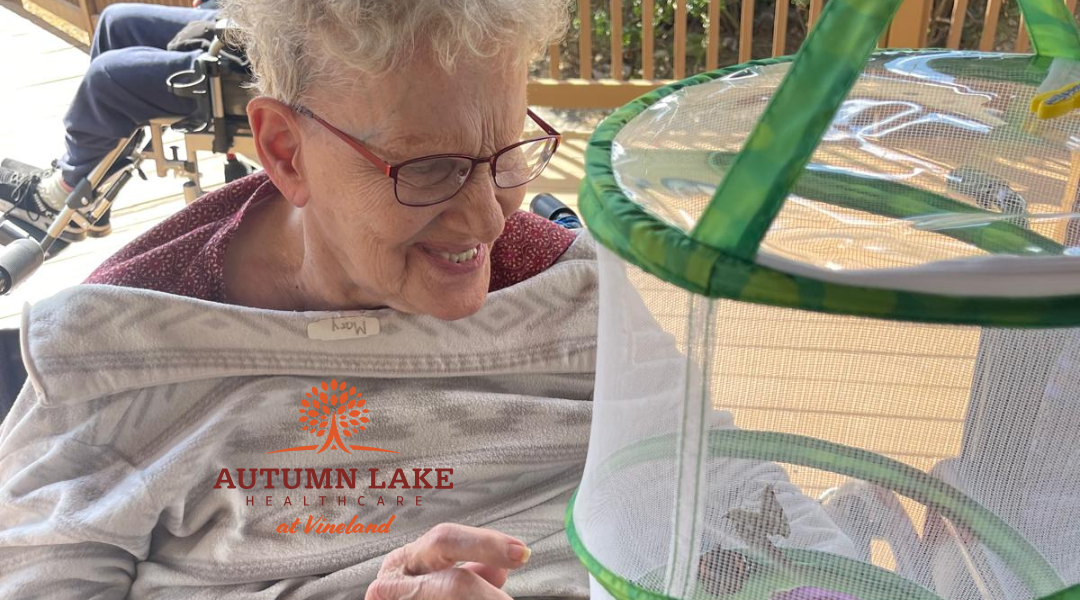
 Gemini said A senior woman smiling while observing butterflies in a mesh habitat at a senior living community.


The “Harmony-First” Framework: Our Secret Language of Care

At our facility, we move beyond the standard checklist by implementing our proprietary Harmony-First framework. This philosophy is built on the belief that exceptional support and rehabilitation services are only effective when delivered within a “close-knit community” atmosphere. We combine expert medical attention with the warmth of a home, ensuring that every resident thrives in safety, comfort, and dignity.

The Harmony-First framework is comprised of three essential pillars:

  • Clinical Harmony: We don’t just treat symptoms; we treat the person. By coordinating with a registered dietician and our culinary chef, we ensure that the gourmet dining experience supports the medical goals of our residents. Our variety of menu selections is designed for both nutrition and pleasure.
  • Atmospheric Harmony: We believe the physical environment should inspire healing. Our facility features spacious private and semi-private rooms, a private courtyard and garden, and outdoor patios. These spaces allow residents to enjoy the mild climate and peaceful neighborhoods that characterize Vineland’s assisted living options, fostering a sense of tranquility.
  • Life-Balance Harmony: To make life easier for families and residents, we provide comprehensive amenities including complimentary cable and WiFi, an on-site beauty salon, and daily housekeeping and laundry services. This allows residents to focus entirely on their recovery and social engagement rather than the stresses of daily chores.

Myth: A Modern Lobby Equals High-Quality Care

A common misconception in the senior living industry is that the “flashiest” facility with the newest furniture provides the best medical care. High-end chandeliers and bistro bars are often marketing tools; they do not dictate the quality of wound care, the speed of emergency response, or the empathy of the nursing staff. When evaluating any local facility, prioritize clinical outcomes and staff longevity over architectural aesthetics. A facility might have a beautiful fountain in the front, but the real value lies in the frequency of physician visits and the quality of the physical therapy equipment.

Financial Planning and Peace of Mind

Navigating the costs of senior care is one of the most stressful parts of the journey for families. It is important to choose a facility that offers transparency and works with you to maximize your benefits. We accept Medicare, Medicaid, most private insurances, and private pay options. During your tour, ask for a clear breakdown of what is included in the daily rate versus what might incur additional charges. Financial clarity is just as important as medical care.

Frequently Asked Questions

What is the difference between a nursing home and assisted living?

Assisted living is for seniors who need help with daily tasks like bathing but are otherwise independent. A nursing home provides 24/7 skilled medical care for those with complex health needs or those requiring intensive rehabilitation.

How do I know if a facility is safe?

Look for high staffing ratios, modern emergency call systems, and clean, well-lit common areas. You should also check the facility’s most recent state inspection reports.

Can residents bring their own furniture?

Yes. While we provide spacious rooms and essential furniture, we encourage residents to bring personal items to make their space feel like home.

What kind of activities are provided?

A high-quality facility offers a diverse calendar including physical exercise, cognitive games, and social gatherings to prevent isolation.

To Sum Up

Choosing a home for your loved one is a monumental decision, but you don’t have to make it alone. At Autumn Lake Healthcare at Vineland, we are dedicated to providing a supportive environment where medical expertise meets genuine compassion. From our private gardens to our gourmet dining, every detail is designed to help our residents thrive. For more information about our services, contact us or schedule a tour today!
How Personalized Care Plans at Autumn Lake Vineland Help Your Loved One Achieve Their Recovery Goals

Personalized care plans help your loved one achieve recovery goals by aligning clinical treatments with their specific medical history, physical capabilities, and personal preferences. By coordinating a multidisciplinary team to address individual milestones rather than following a generic timeline, these plans ensure faster healing, reduced risk of re-hospitalization, and a higher quality of life during the rehabilitation process.

The Core Components of a Tailored Recovery Strategy

When a senior transitions into a professional care setting, a “one-size-fits-all” approach is often the greatest barrier to success. True recovery is not a linear path; it is a complex intersection of physical strength, cognitive health, and emotional resilience. To navigate this, high-quality nursing homes in Vineland, NJ, utilize comprehensive assessments to build a roadmap as unique as the individual.

This process begins with a “Whole-Person” evaluation. Instead of merely looking at a surgical site or a specific diagnosis, clinical teams examine the patient’s baseline mobility, nutritional needs, and even their daily habits. For instance, when we develop strategies for residents moving from the quiet neighborhoods of West Vineland, we take into account their previous activity levels to ensure their new therapy schedule feels ambitious yet attainable.

Standard Care vs. Personalized Care: Why Customization Wins

The difference between a standard facility and a center focused on individualized outcomes is measurable. In a standard model, every patient with a hip fracture might receive the same thirty minutes of physical therapy at the same time every morning. However, a personalized plan recognizes that some individuals have more energy in the afternoon or may require shorter, more frequent bursts of activity to avoid fatigue.

Feature Standardized Care Models Personalized Care Plans
Goal Setting Generic (e.g., “Improve Mobility”) Specific (e.g., “Walk 50ft unassisted”)
Therapy Schedule Fixed blocks for all residents Flexible based on peak energy times
Dietary Integration General nutrition guidelines Medically-tailored, preference-based meals
Recovery Speed Variable/Slower Optimized for maximum efficiency

For families researching rehab homes in Vineland, these distinctions are vital. A plan that adapts to the patient, rather than forcing the patient to adapt to the facility, consistently results in higher satisfaction and better clinical markers.

Applying the “Clinical Kinship” Model to Solve Stagnation

To solve the issue of patients feeling like “just another chart,” we implement our proprietary Clinical Kinship model. This is our specialized approach, where we provide exceptional support and rehabilitation services at our nursing home by merging clinical rigor with the intimacy of a household.

The Clinical Kinship model works by ensuring that every medical intervention is delivered with the warmth of a close-knit community. We utilize Vineland’s mild climate and peaceful neighborhoods to create an ideal setting for seniors to thrive in safety, comfort, and dignity. By syncing the clinical recovery schedule with the natural rhythm of a supportive home life, we reduce the stress that often slows down physical healing.

The Role of Gourmet Nutrition in Clinical Recovery

A major pillar of our personalized strategy is the focus on cellular recovery through nutrition. We believe that “food is medicine,” but only if the resident actually enjoys eating it. Patients enjoy a gourmet dining experience, prepared by our very own culinary chef under the direction of a registered dietician, ensuring that every calorie serves a functional purpose.

When searching for Vineland assisted living options, families often overlook how much diet impacts physical therapy outcomes. Our dietician works directly with the therapy team to ensure that if a resident has a high-intensity strength-building session, their meal plan is adjusted for increased protein and complex carbohydrates that day. This level of granular detail ensures the body has the fuel it needs to repair tissue and build muscle effectively.


A senior man and woman sitting together and smiling in a brightly lit senior living common area.


Premium Amenities That Support Functional Goals

Recovery isn’t just about what happens in the therapy gym; it’s about how a resident lives their life between sessions. When evaluating Vineland nursing homes & elder care, the physical environment should be a top priority. Our campus features:

  • Spacious private & semi-private rooms for restful, uninterrupted sleep.
  • Complimentary cable & WiFi to keep residents connected with their families.
  • Private courtyard and garden for practicing “real-world” walking.
  • On-site beauty salon to maintain a sense of normalcy and dignity.
  • Outdoor patios and spacious lounges that encourage social interaction.
  • Daily Housekeeping & Laundry Service so the resident can focus 100% on recovery.

Debunking the “Universal Timeline” Recovery Myth

The Misconception: Many believe that for a specific injury, there is a “correct” universal timeline and exercise list that every patient should follow. This “One-Size-Fits-All” myth ignores the psychological and biological impact of the individual. Following a rigid, non-personalized path often leads to overexertion or under-stimulation.

A personalized plan recognizes that a 70-year-old with secondary health concerns recovers differently from a 70-year-old without them. During a recent wellness review for a family near the East Vineland area, we found that the resident’s primary barrier wasn’t physical strength, but a lack of social motivation. By shifting them into a personalized plan that included group dining and garden strolls, their physical progress doubled in two weeks.

Financial Access and the 48-Hour Review

We understand that the logistics of care can be overwhelming. To ensure the focus remains on health, we have streamlined our administrative processes. We accept Medicare, Medicaid, most insurances, and private pay. This flexibility allows us to serve a diverse range of seniors across the nursing homes in the Vineland, NJ landscape.

Our process for success follows four distinct steps:

  1. The Multidisciplinary Huddle: Doctors, nurses, and therapists review the resident’s history before arrival.
  2. Family Integration: We align clinical goals with the resident’s personal desires.
  3. Environmental Calibration: We assign the resident to a room and social group that fits their personality.
  4. The 48-Hour Review: We assess the initial response to the therapy and diet, making immediate adjustments to ensure the plan is working from day one.

Frequently Asked Questions

What is included in a personalized care plan?

A personalized care plan includes a customized schedule of physical and occupational therapies, a medically-tailored meal plan, social engagement goals, and specific clinical milestones monitored by a dedicated nursing team.

How long does a typical recovery plan last?

The duration varies based on individual progress. However, personalized plans are designed to be more efficient, often resulting in shorter stays compared to standardized care models.

To Sum Up

At Autumn Lake Healthcare at Vineland, we don’t just provide a room; we provide a pathway back to independence. Our team is ready to help your loved one rediscover their strength in an environment that feels like home.

Ready to see the difference personalized care makes?

Schedule a tour of our facility today or call us to speak with an admissions specialist about your loved one’s specific needs.

The Flexibility of Our Care Plans: How We Adjust to Your Loved One’s Evolving Needs

Care plans adjust to evolving needs through regular clinical assessments, tiered service levels, and real-time communication between families and medical staff. By monitoring changes in mobility, cognition, and daily vitals, a professional care team can scale support, ranging from basic assistance to intensive 24/7 medical supervision, ensuring the level of care always matches the patient’s current health status.

Aging and recovery are rarely linear processes. For many families, the greatest concern is that a care plan chosen during a stable period will become obsolete during a health crisis. Whether a loved one is recovering from a sudden surgery or managing a progressive condition, their clinical requirements will shift. Understanding the mechanics of how a facility adapts to these changes is the key to ensuring long-term safety and dignity.

Identifying the Shift: When Is it Time to Adjust Care?

To maintain safety and independence, we monitor specific “trigger events” that indicate a need for a higher level of oversight. Recognizing these signs early prevents avoidable hospital readmissions. In many nursing homes in Vineland, NJ, the ability to spot these subtle trends is what separates basic room-and-board from proactive clinical management.

  1. Changes in Physical Mobility: Increased frequency of falls or difficulty with “transfers” (moving from a bed to a chair).
  2. Cognitive Decline: New signs of confusion or “sundowning” symptoms that require enhanced memory support.
  3. Medical Milestones: Transitioning back to a facility after an acute hospital stay or surgery.
  4. Nutritional Gaps: Unintentional weight loss or a sudden inability to manage dietary restrictions.
  5. Social Withdrawal: A noticeable decrease in engagement, often signaling that current stimulation is insufficient.

Comparison: Static vs. Adaptive Care Models

A modern rehabilitation center in Vineland, NJ, utilizes an adaptive model that moves with the resident. Many traditional facilities use “static” plans that only change when a major accident occurs. The following table illustrates the difference between a rigid schedule and an evolving adaptive plan.

Feature Static Care Plans Our Adaptive Care Plans
Assessment Frequency Once per year or only upon a major crisis. Monthly check-ins and quarterly clinical reviews.
Response Time High (often requires new contracts and paperwork). Immediate (fluid shifts in nursing and therapy).
Cost Efficiency Families pay for flat rates regardless of usage. Scalable services based on actual daily medical needs.
Care Team Generalist approach. Specialized clinicians are added as patient acuity increases.

Applying Our Holistic Clinical Integration to Solve This

Our proprietary approach to care, Holistic Clinical Integration, ensures we provide exceptional support and rehabilitation services at our nursing home. This method treats the care plan as a living ecosystem rather than a static document. We combine expert medical attention with the warmth of a close-knit community, ensuring that as a resident’s medical needs increase, their quality of life remains a priority.

This protocol relies on three pillars:

  • Predictive Analysis: Our nurses are trained to spot subtle patterns in recovery or decline, such as a slight change in gait, before a setback occurs.
  • The “Agile Pivot” System: If a resident experiences a sudden health dip, our system triggers an immediate surge in monitoring without bureaucratic delays.
  • Environmentally Supported Healing: We believe the setting is as vital as the medicine. Vineland’s mild climate and peaceful neighborhoods make it an ideal setting for seniors to thrive in safety and comfort.


Gemini said
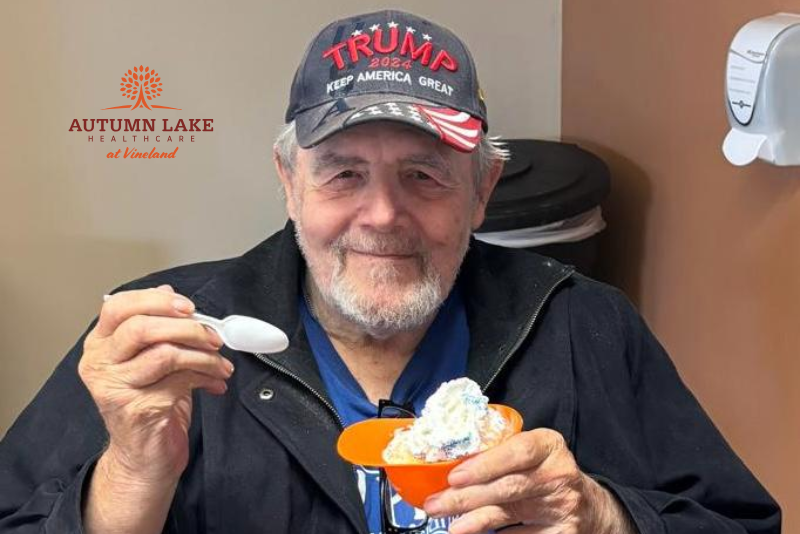
A senior man smiling while enjoying a dessert at a senior living community.


The Role of Lifestyle in Flexible Care

Flexibility isn’t just about medication; it’s about maintaining a resident’s right to a high quality of life. This is a core philosophy for those seeking assisted living in Vineland, where we ensure that a change in health status doesn’t mean a compromise on amenities. Our residents enjoy a gourmet dining experience, prepared by our very own culinary chef under the direction of a registered dietician, regardless of their level of care.

To support this evolving lifestyle, our facility offers:

  • Spacious private & semi-private rooms adaptable for medical equipment.
  • Complimentary cable & WiFi to keep residents connected to family.
  • Private courtyard, garden, and outdoor patios for fresh air.
  • On-site beauty salon and spacious lounges for social interaction.
  • Daily housekeeping & laundry service to remove the burden of chores.

Debunking the Myth: “More Care Means Less Independence”

A common industry misconception is that increasing the hours or intensity of a care plan marks the “beginning of the end” for a senior’s autonomy. Families often worry that moving to a more intensive tier of service at Autumn Lake Healthcare at Vineland means their loved one is giving up their freedom.

In reality, proactively adjusting a care plan provides the necessary scaffolding to keep a senior safe for a longer period. By scaling support to meet evolving needs, we prevent the catastrophic health events, such as major fractures, that typically force a permanent move into a high-intensity hospital setting. Flexibility is about providing the exact amount of support needed to keep the individual in control of their daily life.

Navigating the Financial Evolution

We understand that as care needs change, financial questions follow. Flexibility must extend to the business office. At Autumn Lake Vineland, we make the transition between care levels seamless regarding documentation. We accept Medicare, Medicaid, most private insurances, and private pay, with an administrative team ready to navigate the complexities of coverage for you.

Frequently Asked Questions

How often are care plans reviewed?

Care plans are reviewed at least quarterly, or immediately following any significant change in a resident’s physical or mental health status.

Can a care plan be “scaled down” if a patient improves?

Yes. For residents in our rehabilitation wing, the goal is often to reduce the intensity of care as they regain strength and eventually transition back home.

Does a change in care level mean my loved one has to move rooms?

Not necessarily. Our rooms are designed to be adaptable to various levels of clinical need to minimize disruption to the resident.

To Sum Up

At Autumn Lake Healthcare at Vineland, we don’t just provide a room; we provide a pathway to wellness that evolves with you. Whether you are seeking short-term rehabilitation or long-term clinical support, our team is dedicated to providing the highest quality care in a setting that feels like home.

Ready to see how our flexible care plans can support your family?

Contact us today to schedule a tour or speak with our admissions team.